
Uncle Tom’s Cabin
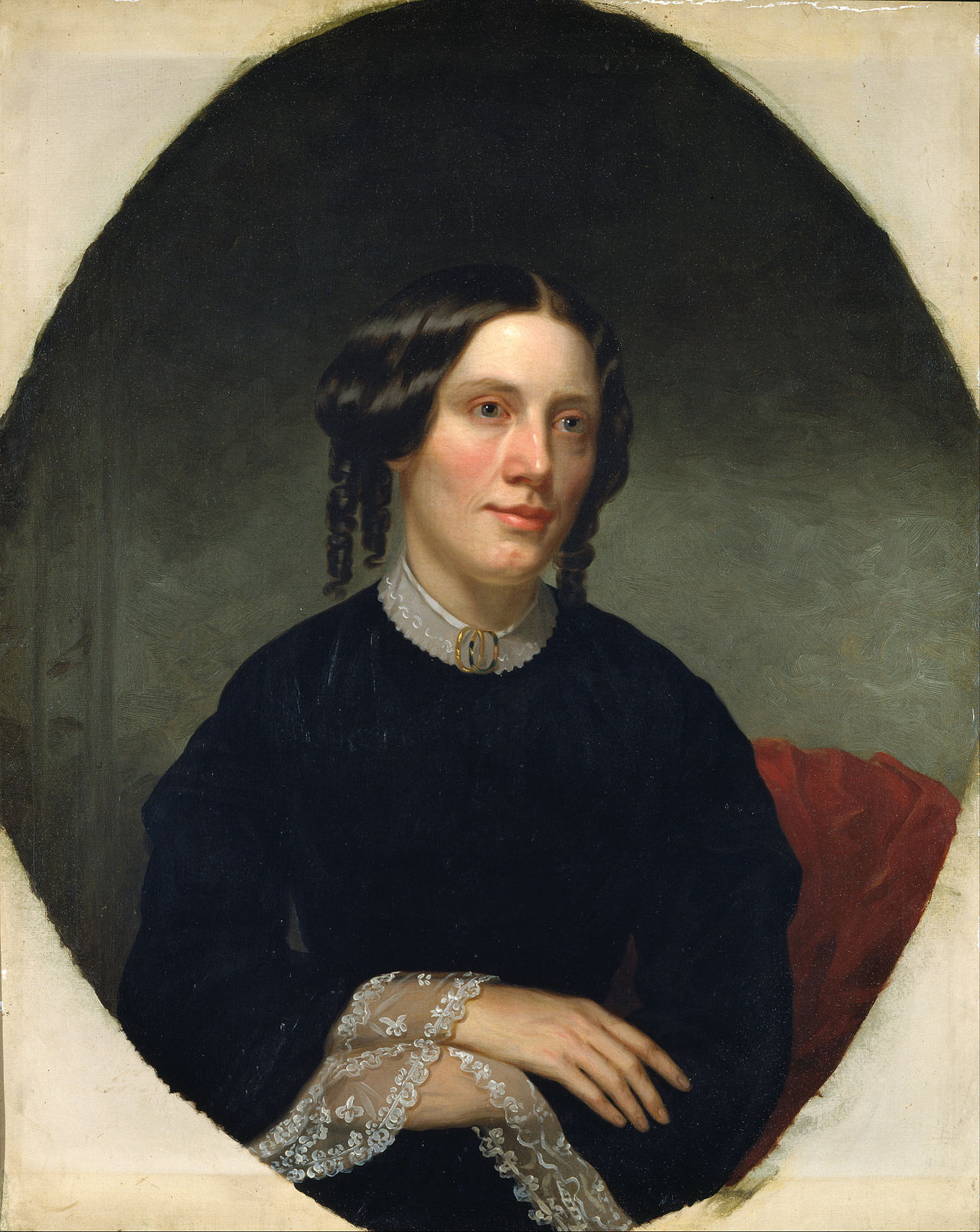
Read this if you…
- want one of the most important American books ever (Lincoln said the novel started the civil war)
- are interested in the historical topic of slavery abolitionism
Skip this if you…
- are expecting an incredible literary achievement (the history and what it stands for is the cool part, not the prose)
- don't care about books that changed American history
The  Take
Take
Super interesting historical artifact. Keeping exact theory and portrayal of the political aspect aside, it’s just an impassioned narrative painting many different types of characters with a sense of hope both for this world and the next. The plot is a bit simple and as a whole, it’s a little heavy handed and overly sentimental, but it makes sense it would be so given the goal of the book
The lineage through Uncle Tom’s Cabin
- The Gospels by Matthew. Uncle Tom’s Cabin built on it. - Tom's only book is the one standing behind this one — he reads nothing but the New Testament, and lives by it - Stowe built her whole moral case on Gospel doctrine: Christian love as the answer to slavery, Tom as a deliberate Christ-figure - Knowing these chapters first lets you see exactly which scenes Stowe is quoting and which sufferings she's mapping onto her hero
- The Pilgrim's Progress by John Bunyan. Uncle Tom’s Cabin built on it. - Stowe quotes Bunyan directly and built Tom's story on his blueprint — a pilgrim's progress through bondage toward salvation - *The Pilgrim's Progress* supplied the allegorical machinery: a journey of the soul through tribulation, characters named for what they are - Read Bunyan first and you'll see Stowe's abolitionist novel for the Calvinist pilgrimage it is underneath
- The Jungle by Upton Sinclair. Uncle Tom’s Cabin shaped it. - The book that invented the American protest novel — and handed Upton Sinclair his blueprint half a century later - Sinclair set out to write "the *Uncle Tom's Cabin* of the labor movement," trading Stowe's plantations for Chicago's slaughterhouses - Jack London christened *The Jungle* "the *Uncle Tom's Cabin* of wage slavery" — the lineage was acknowledged at birth
Depicted in Art
Eliza, Harry, Aunt Chloe, Tom, and the dog Old Bruno gathered inside Tom's cabin as Eliza breaks the news of the sale.
Hammatt Billings, 1852
Tom and Eva seated by Lake Pontchartrain at sunset, Eva pointing toward the water as she speaks of heaven.
Robert S. Duncanson, 1853
Eva, fallen off the riverboat, is lifted from the water by Tom — their introduction on the Mississippi steamboat.
Thomas W. Strong
Little Eva and Uncle Tom together in the St. Clare garden, reading from her Bible.
Hammatt Billings, 1853
Glazed ceramic figurine of Tom seated with Eva on his knee — the central pair miniaturized for the parlor mantelpiece.
1857
Eliza leaps barefoot across drifting ice floes on the Ohio River with little Harry in her arms, bloodhounds and slave catchers visible on the far shore.
W.J. Morgan & Co., 1881
Eva reads aloud to Tom in a domestic interior; a dog rests nearby and a hammock hangs in the background.
Edwin Longsden Long, 1866
Recommended Editions

Penguin Classics
1981
Ann Douglas's Penguin intro is the draw: critical of Stowe's racial sentimentality, defensive of the book's political punch. The clean reading text underneath holds up.
Please support us by purchasing through these links, at no extra cost to you!
Notable Quotes
So this is the little woman who wrote the book that started this great war.
Screen & Stage

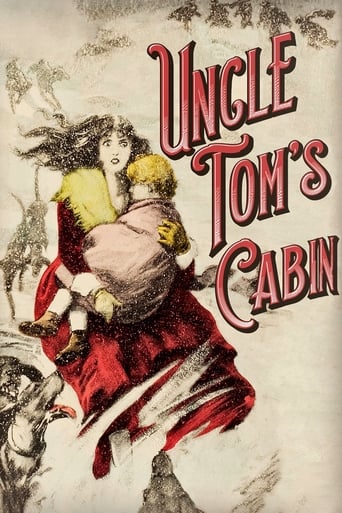
Posters via The Movie Database (TMDB)
- Abraham Lincoln, 16th President of the United States, 1809–1865: So this is the little lady who made this great war — Lincoln's reported 1862 greeting to Stowe, almost certainly apocryphal.
- Leo Tolstoy, Russian novelist, 1828–1910: "An example of the highest art, flowing from love of God and man."
- Charles Dickens, English novelist, 1812–1870: "I have read your book with the deepest interest and sympathy, and admire it more than I can express."
- Frederick Douglass, abolitionist, orator & writer, 1818–1895: "That contribution to our bleeding cause involves us in a debt of gratitude which cannot be measured."