
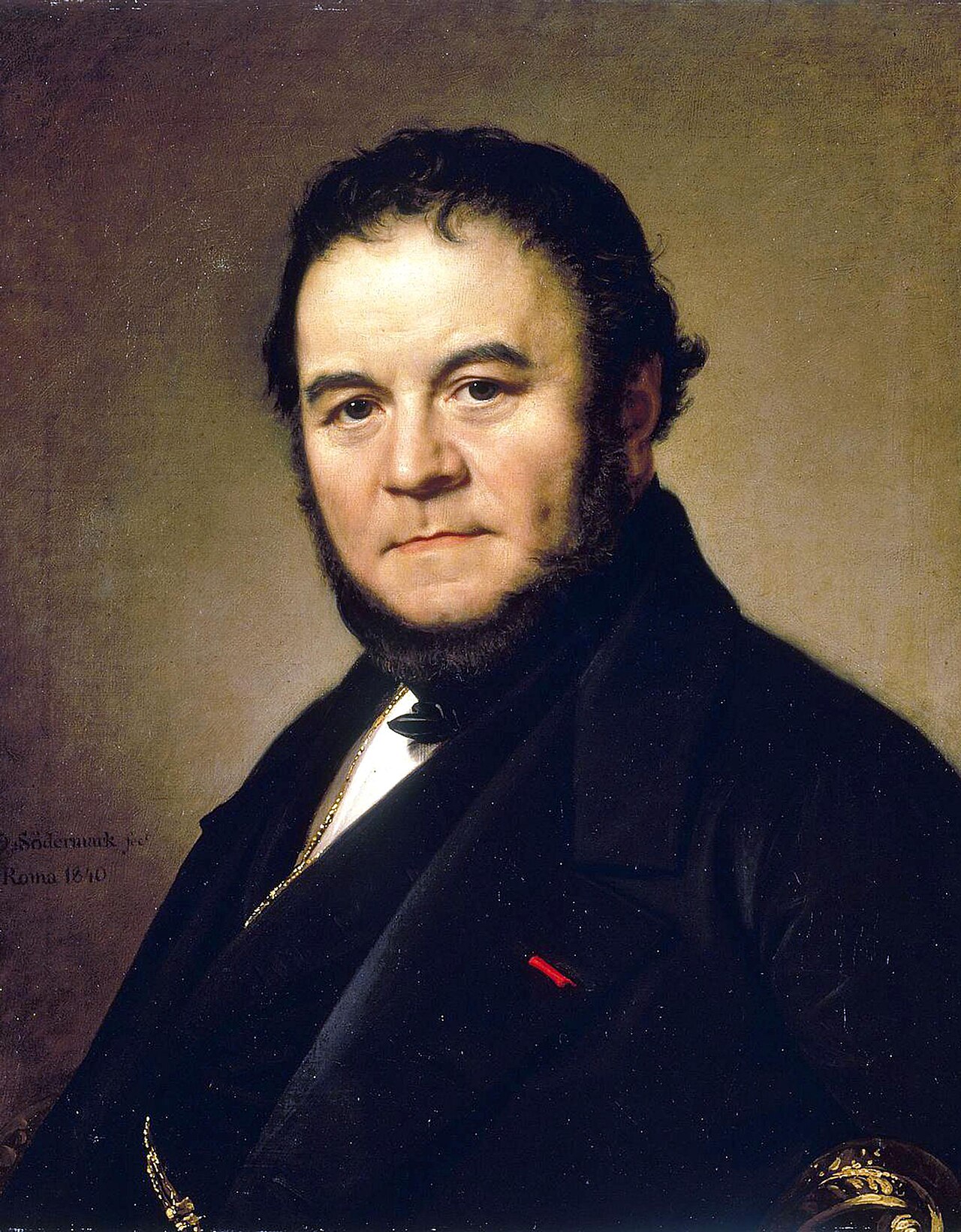
Read this if you…
- like a lot of scheming in novels
- loved red+black and want more stendhal
Skip this if you…
- haven't read The Red and the Black (read that one first, better intro to Stendhal)
The  Take
Take
Solid court intrigue plot with excellent character development. Language/writingn just was pretty plain, not sure if translation or original
The lineage through The Charterhouse of Parma
- War and Peace by Leo Tolstoy. The Charterhouse of Parma shaped it. - Tolstoy said he learned how to write war from Stendhal — by his own account, *The Charterhouse of Parma* taught him how battle actually feels on the page - Stendhal's Waterloo — confused, fragmentary, seen by a bewildered boy who never grasps the larger picture — is the direct model for Tolstoy's Borodino - The antiheroic philosophy of *War and Peace*, its refusal of grand strategy and heroic clarity, traces back to Stendhal's irony
Depicted in Art
Frontispiece etching for the 1883 Conquet illustrated edition of Stendhal's novel.
Valentin Foulquier, 1883
Mid-volume plate from Volume I of the 1883 Conquet illustrated edition.
Valentin Foulquier, 1883
Early-chapter plate from Volume I of the 1883 Conquet illustrated edition, covering Fabrice's youth and the Waterloo episode.
Valentin Foulquier, 1883
Volume I plate from the 1883 Conquet illustrated edition, in the stretch covering Fabrice's affairs at the Parma court.
Valentin Foulquier, 1883
Recommended Editions

Richard Howard
Modern Library · 1999
Howard is a poet, and his Stendhal reads like one wrote it. The register is more elevated than Sturrock's, which matches Stendhal's own admiration for the prose of the Napoleonic Code.
Please support us by purchasing through these links, at no extra cost to you!
Notable Quotes
To the Happy Few
Screen & Stage
 loose
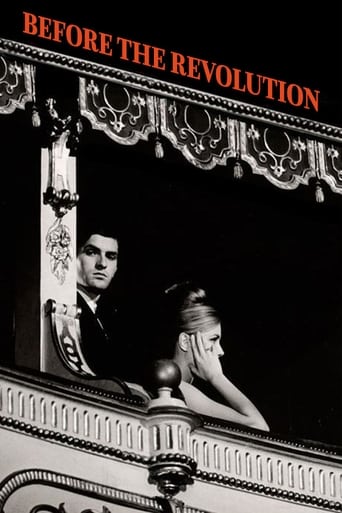
looseBefore the Revolution
Film · 1964
Bernardo Bertolucci
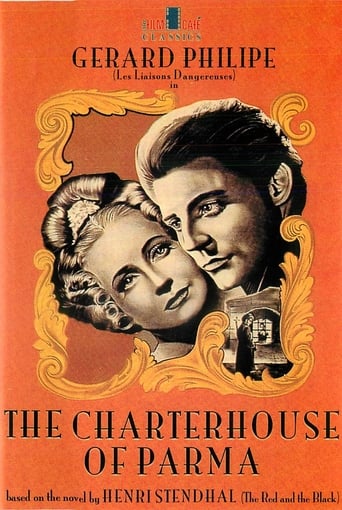
The Charterhouse of Parma
Film · 1948
Christian-Jaque
Posters via The Movie Database (TMDB)
- Mel Brooks, comedian, filmmaker, 1926-: Chose The Charterhouse of Parma as his Desert Island Discs book: Stendhal for the island, Chateau Lafite for the luxury.
- Ernest Hemingway, novelist, Nobel laureate, 1899–1961: "The best account of actual human beings behaving during a world-shaking event is Stendhal's picture of young Fabrizio at the battle of Waterloo."
- Honoré de Balzac, novelist, 1799–1850: "The novel that Machiavelli would write if he were living banished from Italy in the nineteenth century."
- Henry James, novelist & critic, 1843–1916: "It will always be numbered among the dozen finest novels we possess."
- Simone de Beauvoir, existentialist philosopher, 1908–1986: "Stendhal is both so profoundly romantic and so decidedly feminist."
- Friedrich Nietzsche, philosopher, 1844–1900: "Stendhal is one of the happiest accidents of my life."
- Jordan Peterson, psychologist, professor, author, 1962-: Includes The Charterhouse of Parma on his great-books/recommended-reading list, placing Stendhal's novel in the education-for-serious-adults canon rather than as a specialist French-lit pick.