
Read this if you…
- want to Finish out all of Sophocles
- liked the Oresteia extended universe and want more
Skip this if you…
- haven't already read oedipus to decide if you like Sophocles
The  Take
Take
Solid telling of Orestes revenge from point of view of Electra, who is juxtaposed with her sister who just gives in.
The lineage through Electra
- The Oresteia by Aeschylus. Electra built on it. - *Electra* is Sophocles rewriting Aeschylus on purpose — the same tomb meeting, the same recognition and vengeance from the *Oresteia*'s middle play, the *Libation Bearers* - The difference is the point: Aeschylus centered Orestes; Sophocles recenters everything on Electra, and stages her grief around the funerary urn Aeschylus only gestured at - Reading the *Oresteia* first lets you hear *Electra* as the reply it is — every echo is a deliberate revision
- The Odyssey by Homer. Electra built on it. - The avenging-son myth Sophocles dramatizes descends from the *Odyssey*, where Orestes' vengeance on Aegisthus is the recurring warning urged on Telemachus - *Electra* is the closest extant retelling to Homer's version of the Orestes story - Read the *Odyssey* first and you hear the exemplum Sophocles is dramatizing — the dutiful son who set the standard
Depicted in Art
Orestes flees with arms raised against three Furies who close around him in a torchlit dark.
Carl Rahl, 1852
Electra stands grieving in dark robes at her father's tomb, head bowed, a water jar set beside her on the steps.
Frederic Leighton, 1869
Terracotta relief: Orestes, Electra and Pylades grouped at Agamemnon's tomb column.
Electra recoils in anguish at the urn handed to her by Orestes (disguised), believing it contains her brother's remains.
Jean-Baptiste Joseph Wicar, 1827
The siblings standing together against an antique backdrop, Electra robed, Orestes nude with sword — a recognition-scene tableau.
Robert Fagan, 1795
Recommended Editions

David Grene
University of Chicago Press · 2013
Grene's Electra in the Chicago Complete Greek Tragedies. His literal hand suits this play, Electra's grief and fury come through without anyone smoothing them out into something more decorous.
Please support us by purchasing through these links, at no extra cost to you!
Notable Quotes
Death is not the worst evil, but rather when we wish to die and cannot.
Screen & Stage
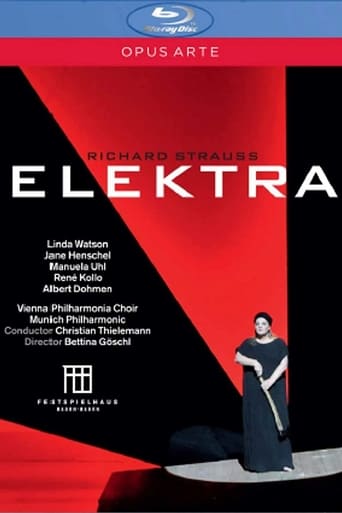
Elektra
Opera · 1909
Richard Strauss
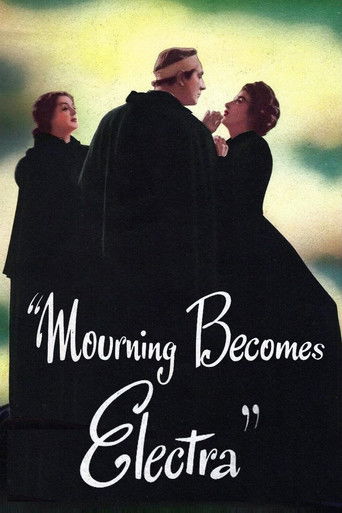 loose
looseMourning Becomes Electra
Stage · 1931
Eugene O'Neill
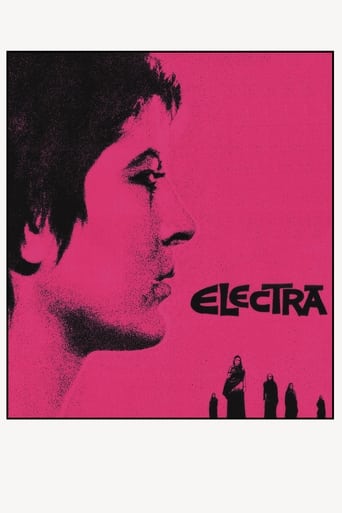
Electra
Film · 1962
Mihalis Kakogiannis
Posters via The Movie Database (TMDB)
- Virginia Woolf, Modernist novelist, 1882–1941: "His Electra stands before us like a figure so tightly bound that she can only move an inch this way, an inch that."
- Friedrich Nietzsche, German philosopher, 1844–1900: Electra is the heroic woman, created by Sophocles.

More by Sophocles
- 10Oedipus Rex~429 BCSophoclesHard·Quick·79 pagesInfluence94Popularity68Ancient GreeceTragedyAncient Greek
- 73Antigone441 BCSophoclesHard·Quick·75 pagesInfluence86Popularity68Ancient GreeceTragedyAncient Greek
- 144Oedipus at Colonus401 BCSophoclesHard·Quick·132 pagesInfluence30Popularity7Ancient GreeceTragedyAncient Greek
- 149Philoctetes409 BCSophoclesHard·Quick·94 pagesInfluence28Popularity6Ancient GreeceTragedyAncient Greek
- 151Women of Trachis~450 BCSophoclesHard·Quick·68 pagesInfluence28Popularity5Ancient GreeceTragedyAncient Greek
- 153Ajax~440 BCSophoclesHard·Quick·79 pagesInfluence29Popularity6Ancient GreeceTragedyAncient Greek
- 187Electra~410 BCSophoclesHard·Quick·84 pagesInfluence30Popularity6Ancient GreeceTragedyAncient Greek